“Broadening Understanding of Korean History and Culture” KSI Korean Cultural Center, Brazil Hosts Lecture on King Sejong’s Leadership
글쓴이홍보협력팀
태그
작성일 2026-06-29
조회수34

“Broadening Understanding of Korean History and Culture”
KSI Korean Cultural Center, Brazil
Hosts Lecture on King Sejong’s Leadership
Hosts Lecture on King Sejong’s Leadership
> Co-hosted by KSI Korean Cultural Center, Brazil and Korean Education Center in São Paulo and attended by some 70 Korean language learners
> Exploring King Sejong’s leadership and significance of Hangeul to promote understanding of Korean history and culture
◇ 2nd Lecture on the Anniversary of King Sejong’s Birth to Broaden Understanding of Korean History and Culture
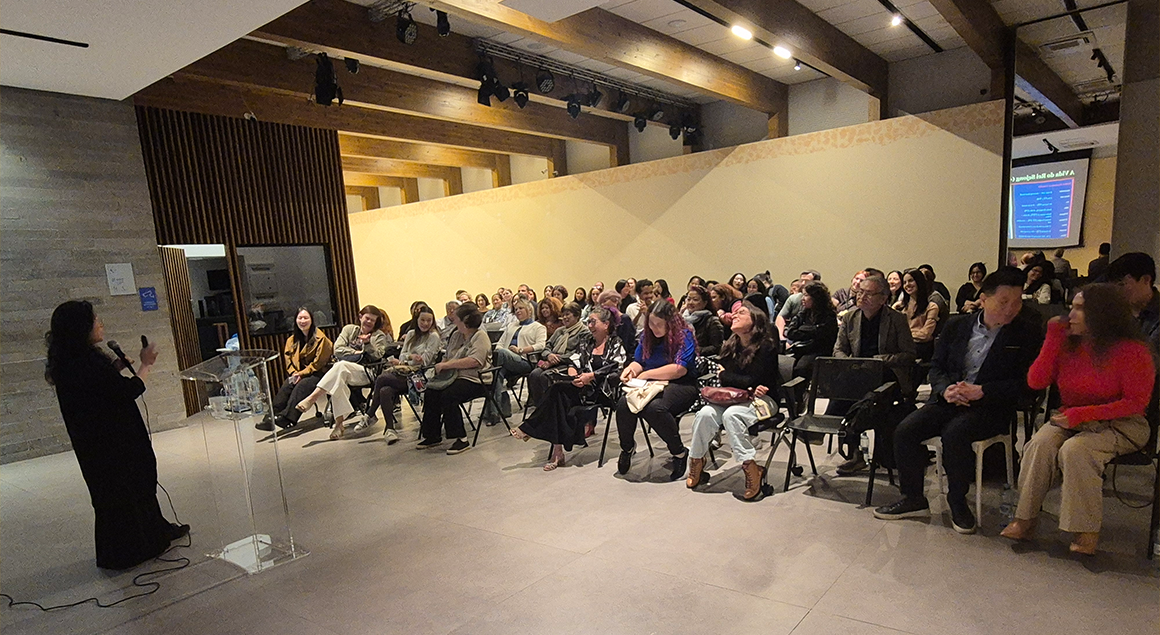
On May 16, the KSI Korean Cultural Center, Brazil and the Korean Education Center in São Paulo jointly hosted the 2nd Lecture on the Anniversary the King Sejong’s Birth at the Korean Cultural Center in Brazil. The event was organized to introduce Korean language learners in Brazil to the achievements and leadership of King Sejong the Great while providing a deeper understanding of Korean history and culture. The two institutions have been jointly organizing commemorative events for the anniversary of King Sejong’s birth and Hangeul Day since last year.
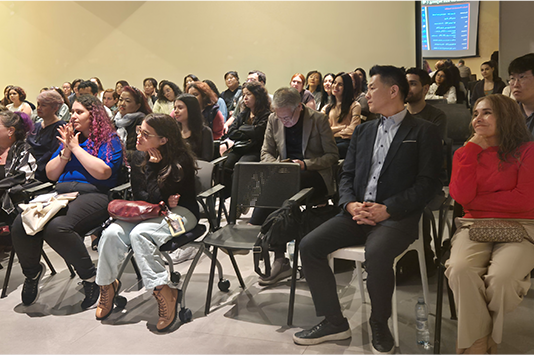
2nd Lecture on the Anniversary of King Sejong’s Birth
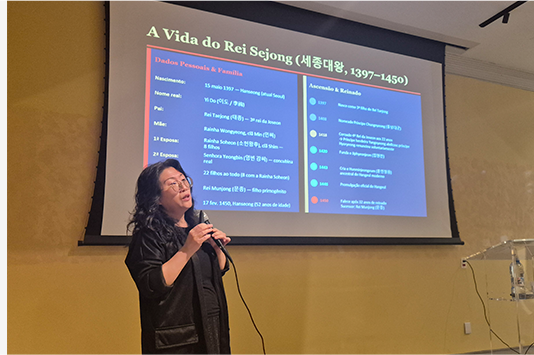
Kim Han-na, professor of Business Administration at ESPM in Brazil, delivering a presentation titled
“The Leadership of King Sejong the Great.”
Kim Han-na, professor of Business Administration at ESPM in Brazil, delivering a presentation titled
“The Leadership of King Sejong the Great.”
◇ Leadership and Value: Sharing King Sejong’s Philosophy as a Ruler
Around 70 learners from the two institutions attended the event. The guest speaker was Professor Kim Han-na of the Department of Business Administration at Escola Superior de Propaganda e Marketing (ESPM; Higher School of Advertising and Marketing), one of Brazil’s most prestigious universities. Speaking on the theme “The Leadership of King Sejong the Great,” Professor Kim highlighted the social issues and historical context of King Sejong’s era and illustrated how he addressed and resolved those challenges. In addition to the creation of Hangeul, the lecture garnered strong interest for its in-depth exploration of King Sejong’s achievements and policies across a wide range of fields, including politics, economics, diplomacy, and agriculture.
During the Q&A session that followed, learners asked thoughtful questions regarding the underlying philosophy of Sejong’s leadership and its modern-day implications. Their active participation demonstrated that interest in Korea extends beyond language learning to a broader curiosity about Korean history, society, and culture. The lecture was a meaningful opportunity to explore not only the significance of Hangeul, but also its overarching societal impact and the values and philosophy behind its development.
During the Q&A session that followed, learners asked thoughtful questions regarding the underlying philosophy of Sejong’s leadership and its modern-day implications. Their active participation demonstrated that interest in Korea extends beyond language learning to a broader curiosity about Korean history, society, and culture. The lecture was a meaningful opportunity to explore not only the significance of Hangeul, but also its overarching societal impact and the values and philosophy behind its development.
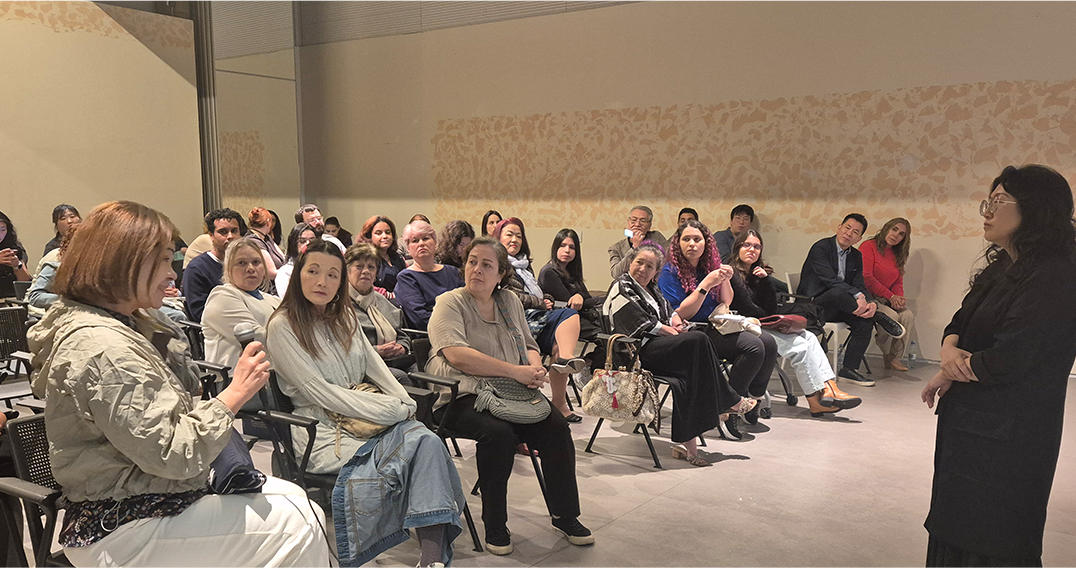
Q&A session following the lecture
“King Sejong was more than the monarch who invented Hangeul. He was a leader who communicated with the people and executed policies for their well-being. I hope this lecture has inspired a deeper interest in Korean history and values in Korean language learners in Brazil.” ___ Kim Cheol-hong, Director of the Korean Cultural Center in Brazil
“The spirit and philosophy of King Sejong continue to offer meaningful lessons today. We will continue to offer a variety of educational programs that enable learners to better understand the Korean language and Korean culture together.” ___ Park Seong-geun, Director of the Korean Education Center in São Paulo
“The spirit and philosophy of King Sejong continue to offer meaningful lessons today. We will continue to offer a variety of educational programs that enable learners to better understand the Korean language and Korean culture together.” ___ Park Seong-geun, Director of the Korean Education Center in São Paulo
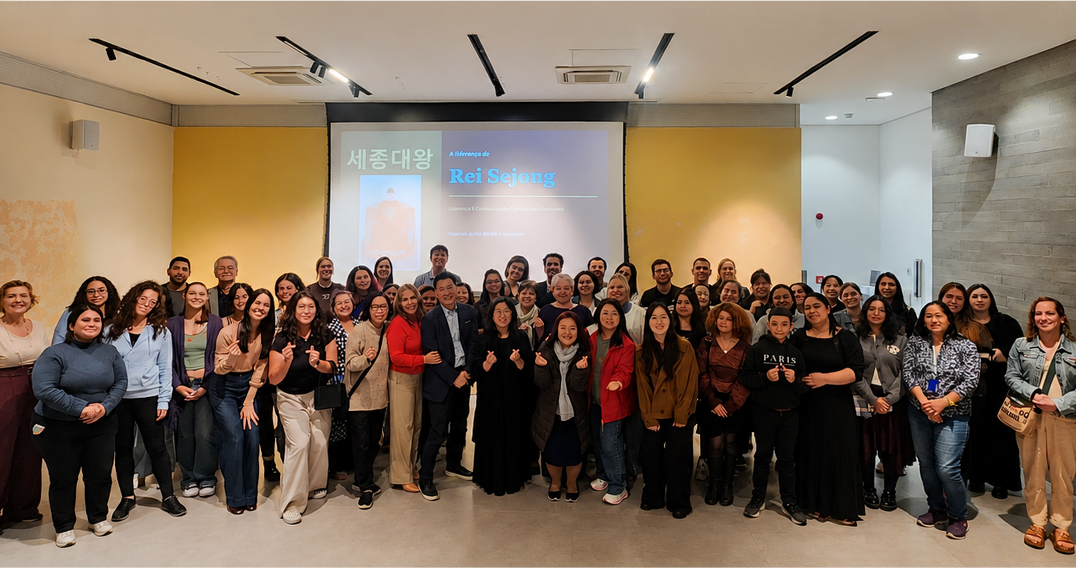
Group photo of the attendees at the 2nd Lecture on the Anniversary of King Sejong’s Birth
“King Sejong’s leadership is not merely a historical example. It embodies values that remain relevant in contemporary society. I hope learners of Korean will gain a deeper understanding of Korean society and culture through his philosophy and leadership.” ___ Kim Han-na, Professor of Business Administration at ESPM
The KSI Korean Cultural Center, Brazil and the Korean Education Center in São Paulo plan to continue developing joint programs that provide insight into King Sejong’s ideals, the significance of Hangeul, and the richness of Korean history and culture.
The KSI Korean Cultural Center, Brazil and the Korean Education Center in São Paulo plan to continue developing joint programs that provide insight into King Sejong’s ideals, the significance of Hangeul, and the richness of Korean history and culture.