KSIF Successfully Conducts 2025 Sejong Korean Language Assessment (SKA)
글쓴이홍보협력팀
태그
작성일 2026-01-21
조회수195

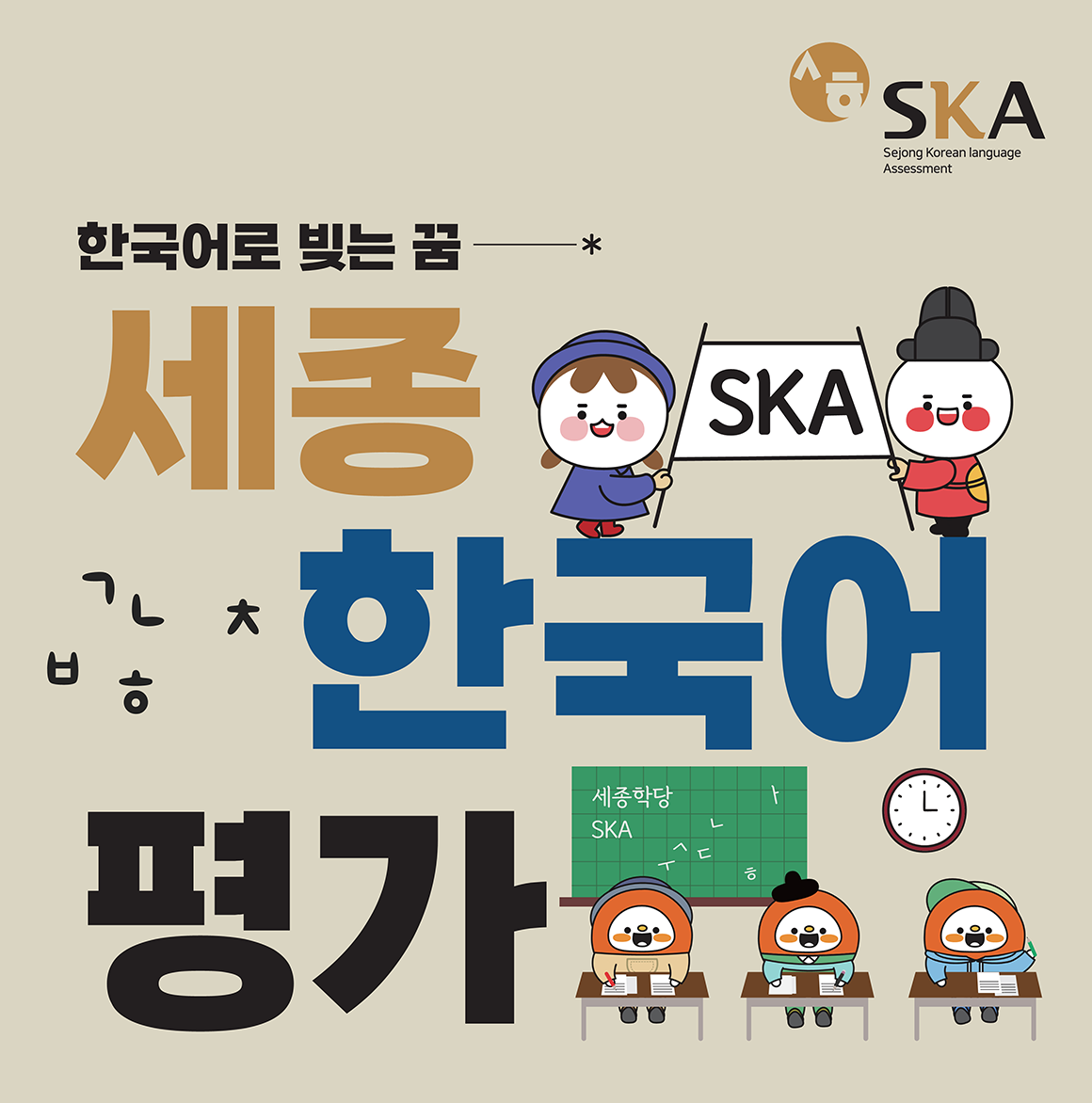
KSIF Successfully Conducts
2025 Sejong Korean Language Assessment (SKA)
2025 Sejong Korean Language Assessment (SKA)
> Innovation of assessment methods with introduction of mobile speaking tests and internet-based stepwise adaptive assessments
> Approximately 15,000 test-takers expected in 2026, with significant expansion of global testing base
The King Sejong Institute Foundation (Acting President and Secretary General Choi Hyun-Seung, hereafter referred to as the KSIF) successfully concluded the 2025 Sejong Korean Language Assessment (SKA) in 22 countries worldwide.
In its 10th year as of September, the SKA is a proficiency assessment designed to comprehensively measure the communicative competency of learners studying Korean as a second language. In 2025, the assessment was administered three times, in March, June, and September. Approximately 6,400 test-takers from 72 institutions worldwide participated, an increase of 21 institutions and about 1,000 applicants compared to the previous year, demonstrating that demand for the assessment is steadily growing.
In its 10th year as of September, the SKA is a proficiency assessment designed to comprehensively measure the communicative competency of learners studying Korean as a second language. In 2025, the assessment was administered three times, in March, June, and September. Approximately 6,400 test-takers from 72 institutions worldwide participated, an increase of 21 institutions and about 1,000 applicants compared to the previous year, demonstrating that demand for the assessment is steadily growing.
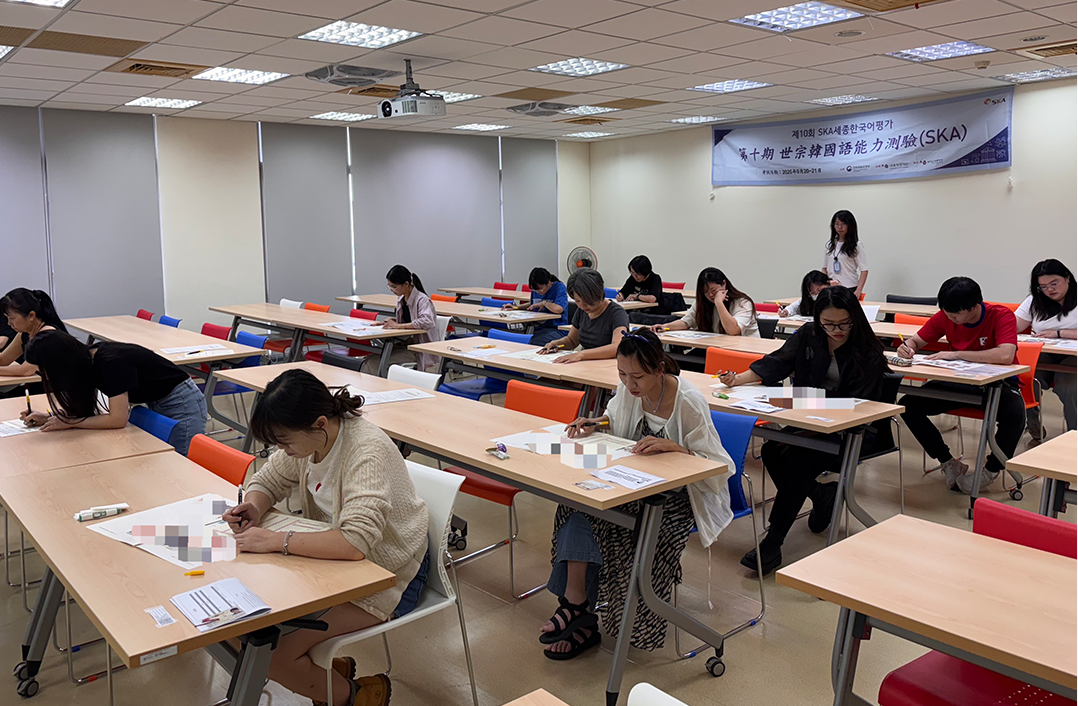
KSI Tainan, Scenes from the 10th SKA in 2025
This year’s SKA also stood out for its innovations in assessment methods. In particular, starting with the 9th assessment administered in June, a mobile app–based speaking test was introduced for the first time at select institutions, drawing strong interest. Designed with consideration for overseas testing environments, this approach adopted a bring your own device (BYOD) model, allowing test-takers to use their own personal devices. This enabled them to participate in the assessment in a more familiar and convenient manner.
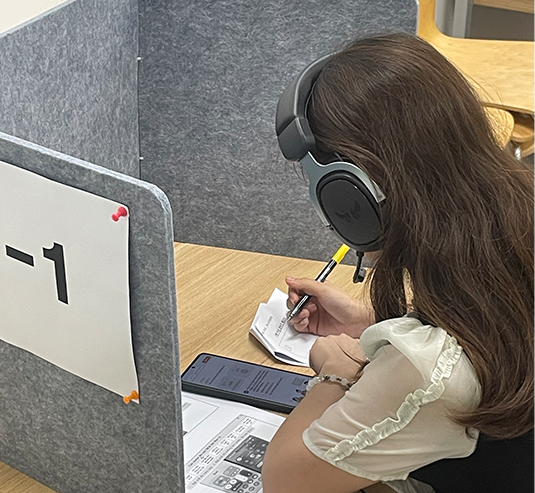
Scenes from the App-Based SKA Speaking Test during
the 10th SKA, held at KSI Hanoi 3 in 2025
the 10th SKA, held at KSI Hanoi 3 in 2025
Sejong Korean Language Assessment website
QR image
QR image
Meanwhile, the internet-based Stepwise Adaptive Sejong Korean Language Assessment (iSKA), which debuted last year, was administered twice this year, once again demonstrating its scalability. The iSKA has been positively evaluated for effectively implementing the advantages of internet-based testing in actual operation, including precise assessment design through adaptable difficulty control, rapid response processing, and reduced testing time. In November this year, 247 test-takers from seven institutions in seven countries participated in the iSKA through a hybrid model that combined at-home and group-based testing. The reliability of the assessment was ensured through identity verification and remote proctoring systems. In addition, group-based testing conducted at regional KSIF offices in Vietnam, France, and Sharjah played an important role in meeting local demand for internet-based assessments.
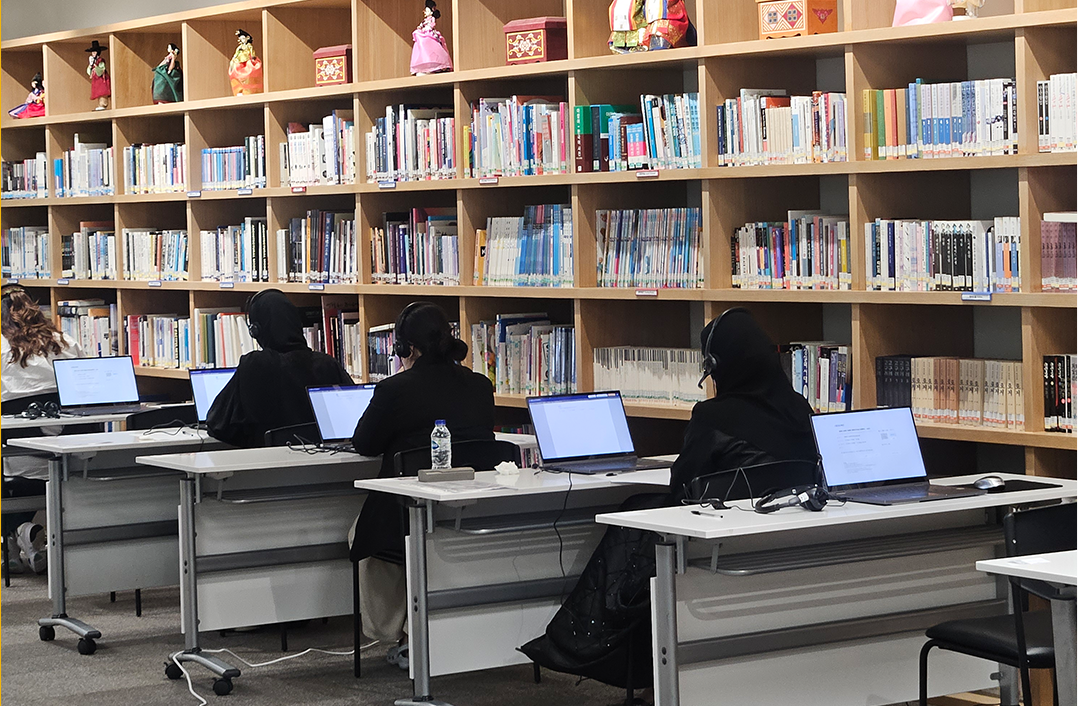
Scenes from the 2nd iSKA in 2025 at KSI Center Sharjah
The KSIF recently announced the 2026 implementation schedule through the SKA website (ska.ksif.or.kr). Next year, the KSIF plans to administer the SKA three times and iSKA four times for KSI learners and prospective learners worldwide. Approximately 15,000 test-takers are expected in 2026, a significant increase compared to this year. Accordingly, since November 28, the KSIF has been recruiting institutions worldwide to serve as test administration sites. Detailed information related to the assessments will be released as it becomes available through the SKA website.
Secretary General Choi Hyun-Seung of the KSIF stated, “As demand for the Sejong Korean Language Assessment continues to grow steadily in many countries, we will actively gather diverse feedback in order to expand the scale of assessments in regions with high demand and enhance convenience for test-takers.” He added, “By incorporating the latest assessment methods such as the use of mobile devices, expanding stepwise adaptive assessments, and using AI-based automated scoring technologies, we will continue to advance the Korean language assessment system.”
Secretary General Choi Hyun-Seung of the KSIF stated, “As demand for the Sejong Korean Language Assessment continues to grow steadily in many countries, we will actively gather diverse feedback in order to expand the scale of assessments in regions with high demand and enhance convenience for test-takers.” He added, “By incorporating the latest assessment methods such as the use of mobile devices, expanding stepwise adaptive assessments, and using AI-based automated scoring technologies, we will continue to advance the Korean language assessment system.”